Mastering the Pacing Move in Locking Dance
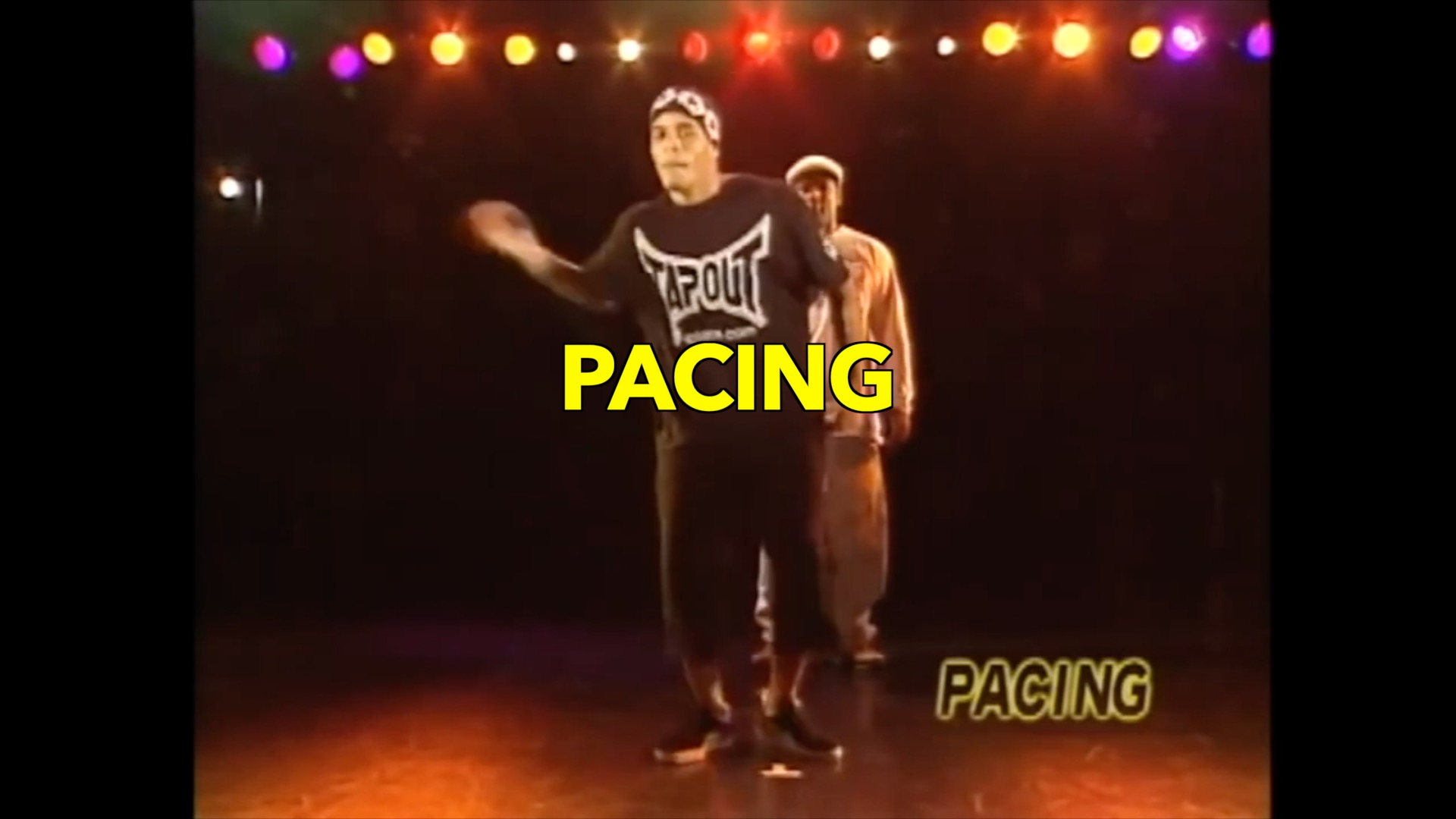
Introduction
In the dynamic world of Locking, a funk-inspired dance style that emerged from the streets of Los Angeles, the Pacing move stands as a fundamental technique that drives the rhythm and timing of a routine. This essential move serves as the backbone, providing a steady beat and allowing dancers to seamlessly transition between other locking moves. Pacing is not just a step; it's a rhythmic expression that embodies the essence of Locking, combining precise arm movements with a groovy swagger.
Video Demonstration
Dance History
The origins of Pacing can be traced back to the pioneers of Locking, a group known as The Lockers, formed in 1971. As they performed on various platforms, including Saturday Night Live and Soul Train, they established names for many of the locking techniques, including Pacing. Derived from the Latin word "passus," meaning "to stretch," Pacing involves stretching out the arms in a rhythmic pattern, creating a visual representation of the music's beat.
Step By Step Instruction
- Start in a relaxed stance, with your feet shoulder-width apart and your knees slightly bent.
- Let your arms hang loosely at your sides, allowing gravity to do its work.
- On the beat, raise one arm outward, extending it fully with a sharp wrist flick.
- Bring the arm back to the relaxed position, allowing it to fall naturally.
- Repeat the movement with the opposite arm, creating a rhythmic pattern that matches the music's tempo.
- Incorporate leg movements, such as basic hip-hop steps or grooves, to add fluidity and style to your Pacing.
Tips For Learning
- Practice the arm movements slowly at first, focusing on the sharpness of the wrist flick and the relaxed return.
- Listen to the music and feel the beat, allowing your body to naturally sync with the rhythm.
- Experiment with different arm positions and angles to add variety and personal flair to your Pacing.
- Incorporate facial expressions and body isolations to enhance the funk and attitude of the move.
- Gradually increase the speed and complexity of your Pacing as you become more comfortable with the technique.
Conclusion
Pacing is a fundamental move in the Locking dance style, serving as the backbone that drives the rhythm and timing of a routine. By mastering this essential technique, dancers can tap into the funk-inspired essence of Locking, creating a mesmerizing visual representation of the music's beat. Whether performed as a standalone move or integrated into intricate combinations, Pacing remains a timeless and essential part of the Locking repertoire.
More Locking Dance Moves
If you liked the Pacing Move, these moves share the same arm-extension rhythm and use Pacing as their natural connecting tissue:
- Mastering the Locking Point: A Funky and Animated Move — The Locking Point and Pacing both involve sharp outward arm extensions, making them natural partners — Pacing keeps you in the groove while the Point punctuates it with a directional gesture.
- Master the Wrist Twirl: An Essential Locking Dance Move — Pacing's wrist flick at the peak of each arm extension draws directly from Wrist Twirl technique — the two moves reinforce each other when practiced together.
- Mastering the Iconic Lock: The Foundation of Locking Dance — Pacing is the rhythmic glue that connects individual Locks into a cohesive routine — learning to transition from Pacing into a Lock and back out is foundational to building a real locking set.
- Master the Skeeter Rabbit: A Locking Dance Move Masterclass — The Skeeter Rabbit uses a running arm swing that mirrors Pacing's alternating arm pattern — dancers who understand Pacing's rhythmic arm logic pick up the Skeeter Rabbit's arm timing much faster.
Learn on your schedule.
The DanceWithCeech academy is coming. Get early access before it opens.
Join the WaitlistTrain 1-on-1 with Ceech.
Get personalized coaching tailored to your style and goals.
Book a Free Consult