Mastering the Strut: Complete Guide to the Funk Strutting Move
Introduction
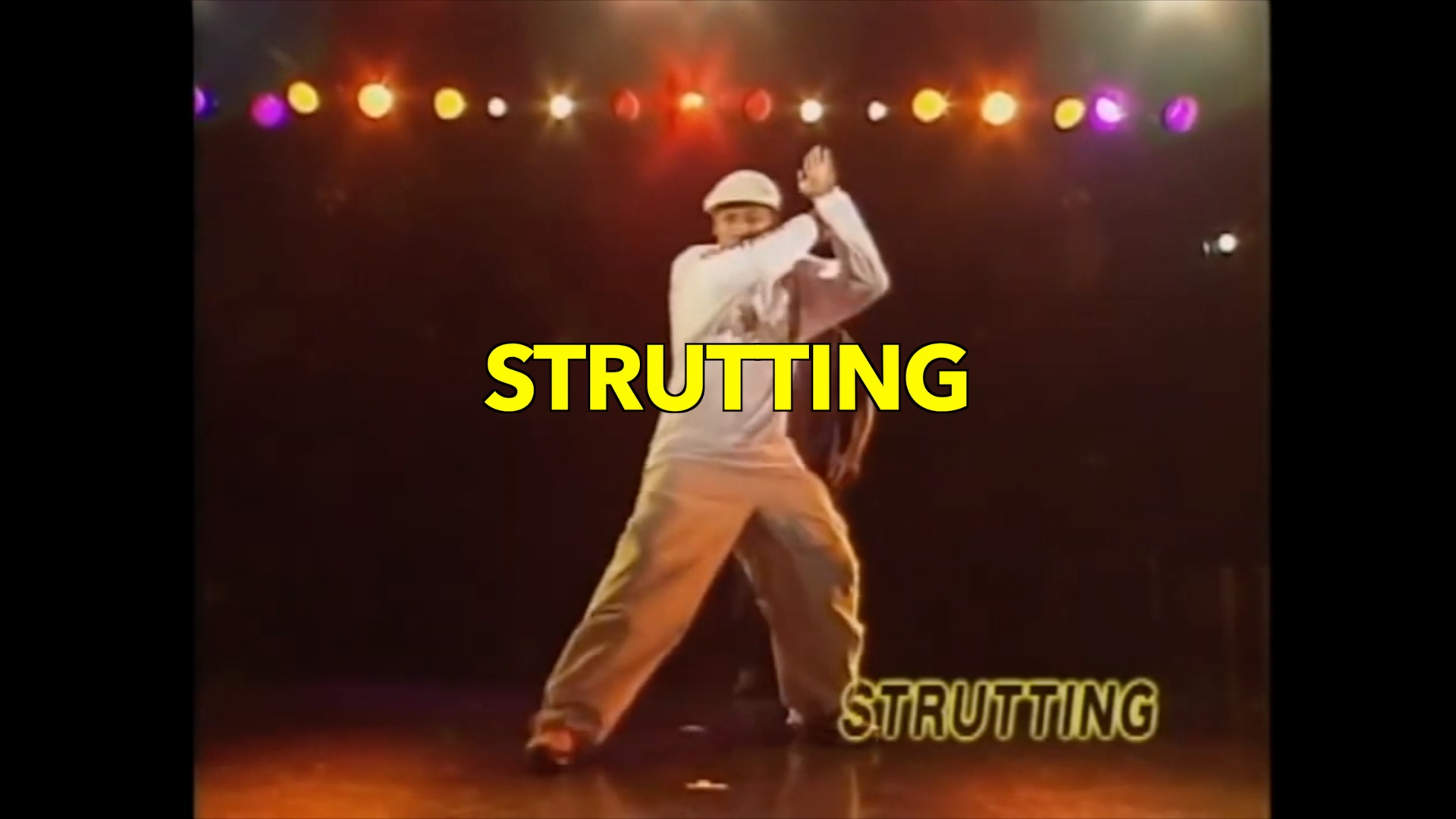
Strutting, a cornerstone of funk-style dancing, is more than just a move—it's an attitude, a way of life. This iconic dance technique embodies the essence of confidence, rhythm, and self-expression that defines funk culture. Originating from the vibrant streets of 1970s California, strutting has evolved into a powerful form of artistic expression that continues to captivate dancers and audiences alike. With its smooth, gliding steps and exaggerated arm movements, strutting allows dancers to showcase their individuality while paying homage to the rich history of funk dance. Whether you're a seasoned dancer looking to expand your repertoire or a newcomer eager to dive into the world of funk, mastering the art of strutting will undoubtedly elevate your dance game and connect you to a legacy of groove and style.
Video Demonstration
Dance History
Strutting emerged in the early 1970s in San Francisco, California, as a distinct dance style within the broader funk movement. While there isn't a single credited creator, the dance evolved organically from the African American and Latino communities in the Bay Area. It gained popularity through street performances and local dance competitions, quickly spreading throughout California and beyond.
The dance was heavily influenced by the funk music of the era, with artists like James Brown, Sly and the Family Stone, and Parliament-Funkadelic providing the soundtrack to this emerging style. Strutting was not just a dance but a form of social commentary, allowing dancers to express pride, defiance, and individuality during a time of significant social change.
By the mid-1970s, strutting had become a well-established dance form, influencing and interacting with other street dance styles like locking and popping. Its legacy continues to this day, with strutting remaining an essential element in funk-style dancing and hip-hop culture.
Step By Step Instruction
- Start with your feet shoulder-width apart, weight evenly distributed.
- Shift your weight to your right foot and slide your left foot forward.
- Transfer your weight to your left foot as you bring your right foot forward, passing your left foot.
- Continue this alternating sliding motion, creating a smooth, gliding walk.
- As you step, exaggerate the movement by lifting your knees slightly higher than a normal walk.
- Incorporate arm movements: swing your arms in opposition to your legs, keeping elbows slightly bent.
- Add personality by moving your shoulders and chest in time with your steps.
- Maintain an upright posture and keep your head high, exuding confidence.
- Practice varying your speed and adding pauses or poses to enhance your performance.
- Remember to stay on the balls of your feet to maintain fluidity and ease of movement.
Tips For Learning
• Start slow: Master the basic footwork before adding arm movements and style. • Use a mirror: Practice in front of a mirror to check your form and posture. • Listen to funk music: Immerse yourself in funk to internalize the rhythm and feel. • Watch videos: Study performances by experienced strutters to pick up nuances and variations. • Practice regularly: Consistency is key to developing muscle memory and fluidity. • Experiment with personal style: Once you've mastered the basics, add your own flair to make it unique. • Join a dance class or community: Learning with others can provide motivation and feedback. • Focus on attitude: Remember that confidence is a crucial part of strutting. • Film yourself: Record your practice sessions to track progress and identify areas for improvement. • Be patient: Like any skill, strutting takes time to perfect, so enjoy the learning process.
Conclusion
Strutting is more than just a dance move; it's a celebration of funk culture, self-expression, and confidence. By mastering this iconic technique, you're not only improving your dance skills but also connecting with a rich history of street dance and musical innovation. Remember, the key to great strutting lies not just in the technical execution, but in the attitude and personality you bring to each step. So put on your favorite funk track, hit the dance floor, and let your unique style shine through as you strut your way to dance mastery.
More Funk Style Dance Moves
If you liked the Strut, these moves share the same Bay Area origins and emphasis on attitude, locomotion, and full-body groove:
- The Boogaloo: Mastering the Funky Oakland Street Dance — The Boogaloo is the foundational Oakland street dance that strutting evolved alongside — the rolling hip motion of boogaloo is the groove underneath the Strut's confident gliding steps.
- Mastering the Filmore: A Funky Dance Move That Oozes Style — The Filmore originated in San Francisco just like strutting, and both moves prioritize smooth, stylish body movement over sharp hits — they sit naturally next to each other in a routine.
- Mastering the Sleepy Style: Laid-Back Funk Dance Move — The Sleepy Style's laid-back sway creates the same effortless, cool attitude the Strut is built on; using one to transition into the other is a classic way to control energy in a set.
- Mastering the Shadow Box: A Funky Dance Move with Boxing Roots — Like the Strut, the Shadow Box is a traveling, footwork-driven move — both use the legs and floor space to create momentum, making them natural complements in a freestyle.
Learn on your schedule.
The DanceWithCeech academy is coming. Get early access before it opens.
Join the WaitlistTrain 1-on-1 with Ceech.
Get personalized coaching tailored to your style and goals.
Book a Free Consult